Riprap and Shoreline Armour Stone
Riprap (shoreline armour stone) needs to be sized based on the wave energy and current at your specific shoreline — a sheltered inland lake needs smaller stone than an exposed shoreline with heavy boat traffic or open-water wind fetch. Undersized riprap will shift and fail within a season or two on exposed sites.
Pricing typically runs higher than standard armour stone due to the larger average stone size and the added handling required for waterfront delivery and placement access.
Ontario shoreline work is regulated by local conservation authorities — confirm permit requirements before ordering material, since some sites require an engineered sizing calculation.
Get a direct quote from Natural Stone Source Ontario for your shoreline protection project.
How Riprap and Armour Stone Pricing Works
Both are sold by weight. Most approved armour stone runs $80 to $102 per ton, with the largest graded pieces, the 2-7 ton and 3-7 ton ranges, at the lower end of that band. Full loads are quoted directly at $2,340 for a tandem and $3,120 for a tri-axle.
Armour stone and true riprap are not the same product. Armour stone is graded, placed stone with defined faces. Riprap is smaller broken rock laid in a blanket that keys together.
Choosing Between Riprap and Armour Stone
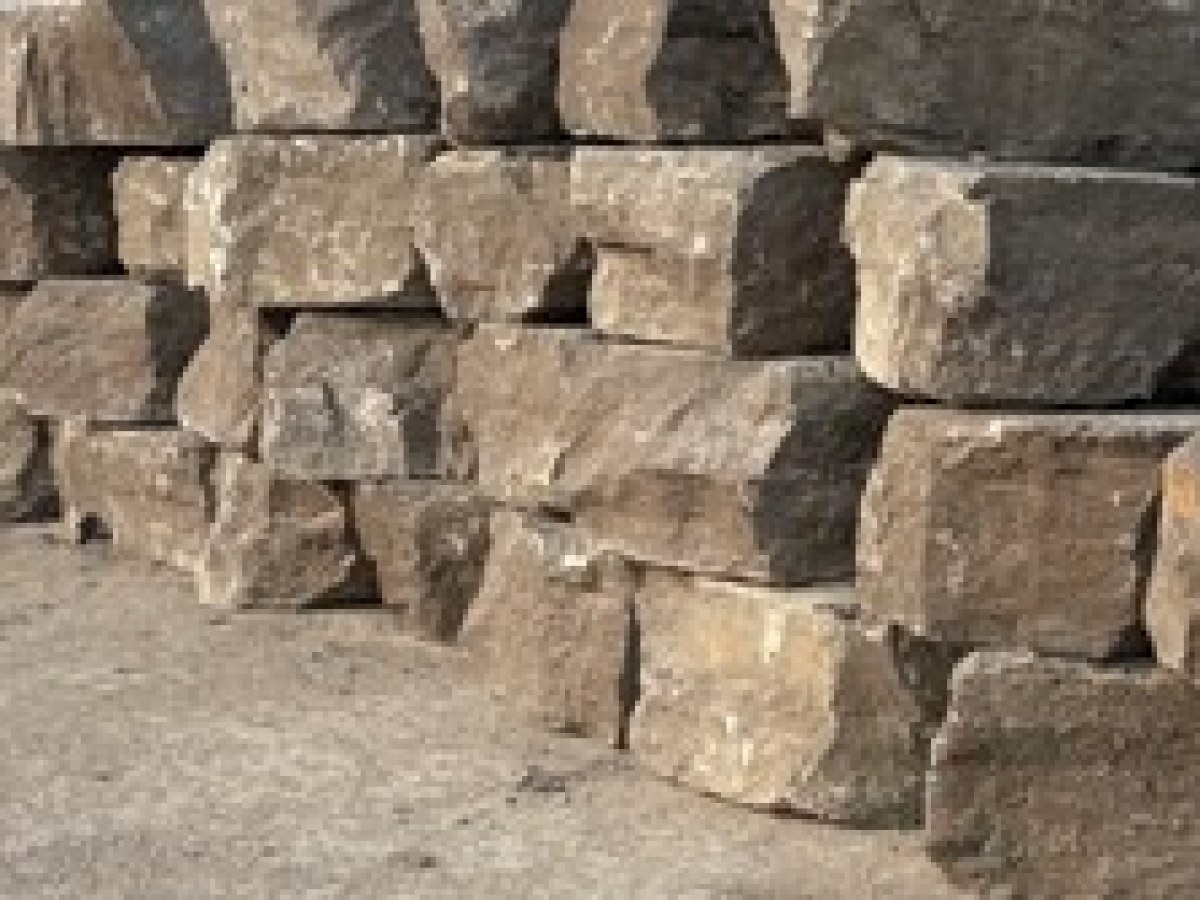
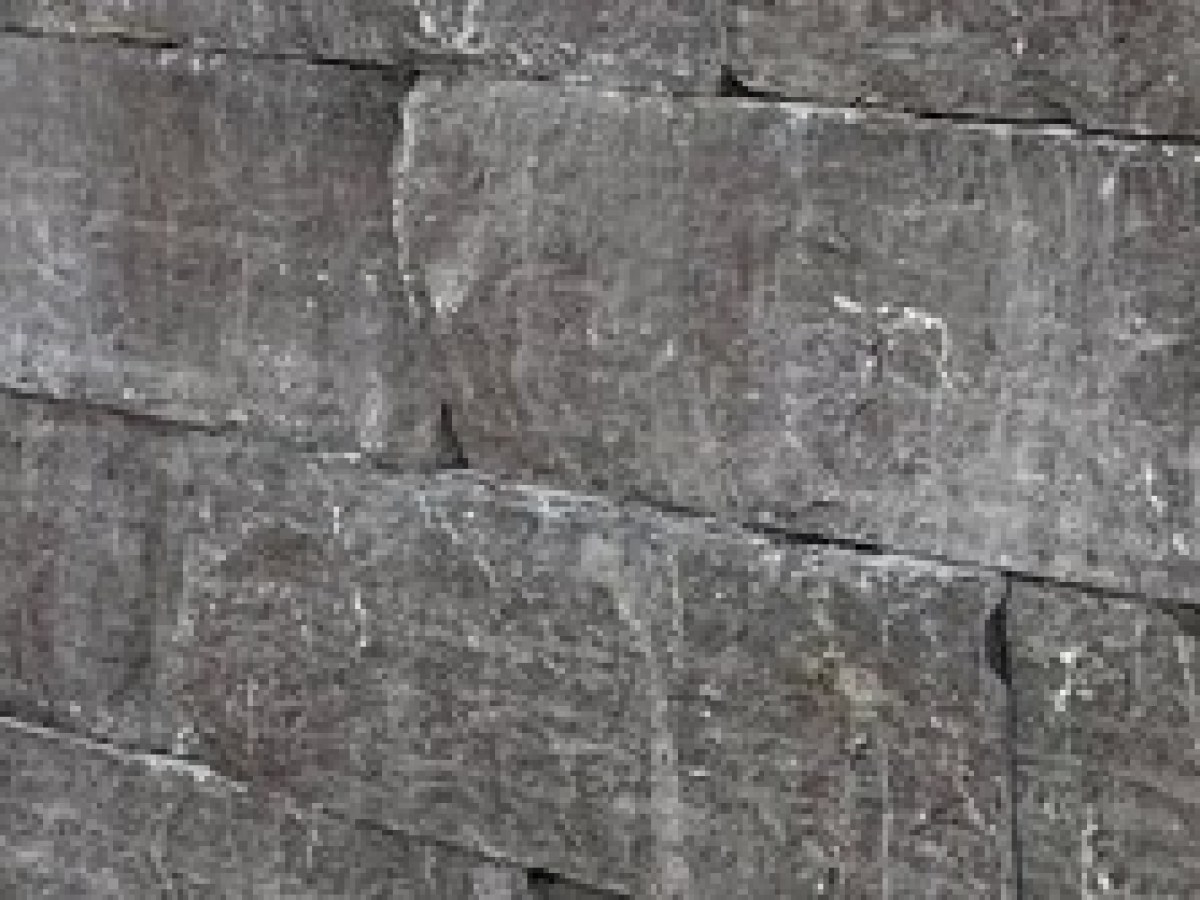
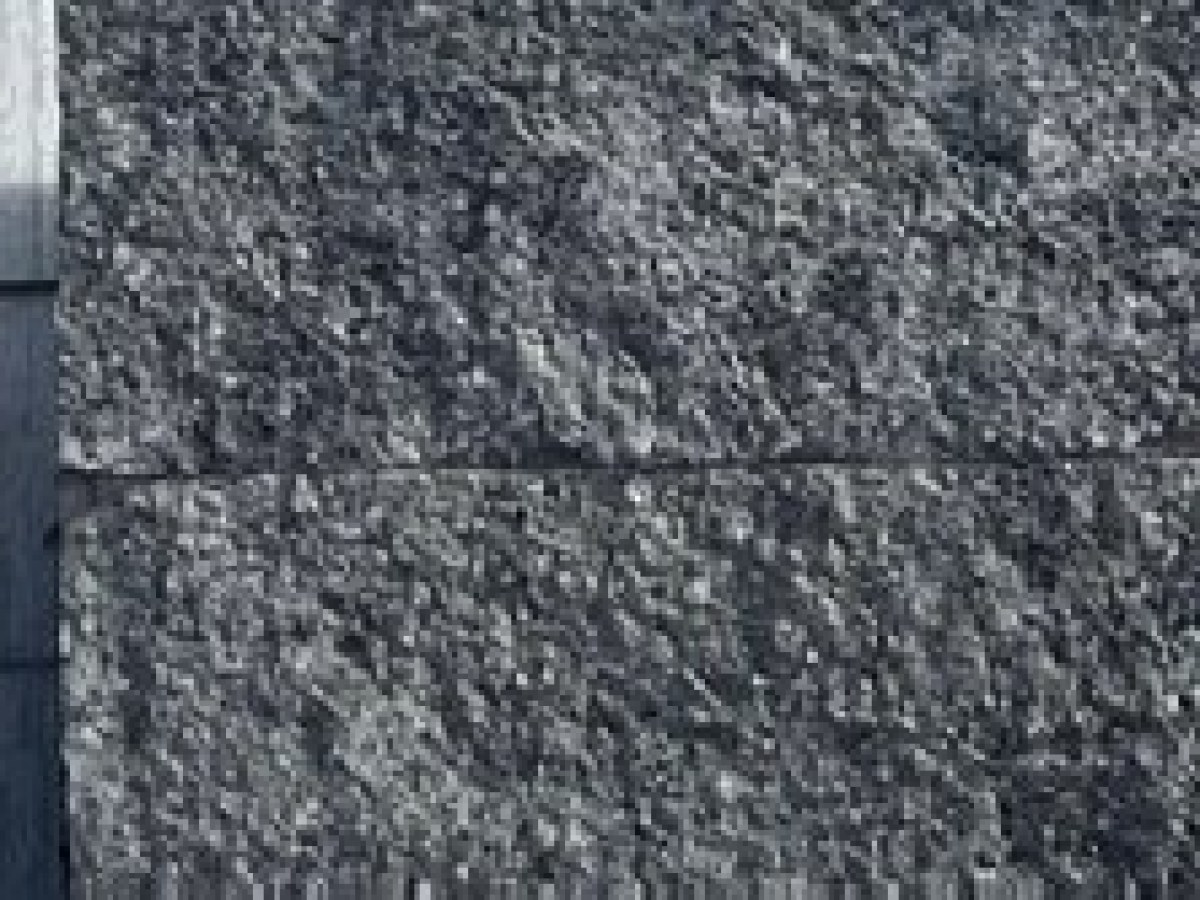
Approved armour stock is graded by face height from 9 through 40 inches and by piece weight in 1-3, 2-4, 2-7 and 3-7 ton ranges, in natural and weathered finishes.
Armour stone is the right choice where the edge is visible, where a defined line matters, or where you want a placed and stable face. Riprap suits erosion control on slopes and inlets where appearance is secondary and a rougher, self-keying blanket is acceptable. Where a shoreline is both visible and exposed, a common approach is heavy armour on the face with smaller stone behind it.
Frequently Asked Questions
What is the difference between riprap and armour stone?
Armour stone is graded, individually placed stone with defined faces and a controlled line. Riprap is smaller broken rock, placed in a looser blanket to key together and dissipate energy. Armour stone is chosen where the edge is seen, riprap where erosion control is the only goal.
How much does armour stone cost per ton?
Most approved armour stone is $80 to $102 per ton, with specialty and skidded selections up to $325 per ton. Larger graded pieces generally sit at the lower end, because less handling goes into each ton loaded.
What size stone do I need for erosion control?
Size follows exposure. Sheltered ditches and inlets can be held with lighter material, while open shoreline subject to wave and ice action needs graded pieces in the 2-7 or 3-7 ton range. Specify by piece weight rather than face height for this kind of work.
Does shoreline work need approval in Ontario?
Frequently. Depending on the site, your conservation authority, the province, or federal fisheries rules may apply. Confirm requirements before ordering, because permit conditions often dictate the stone size that must be used.